
 0086-13338774804


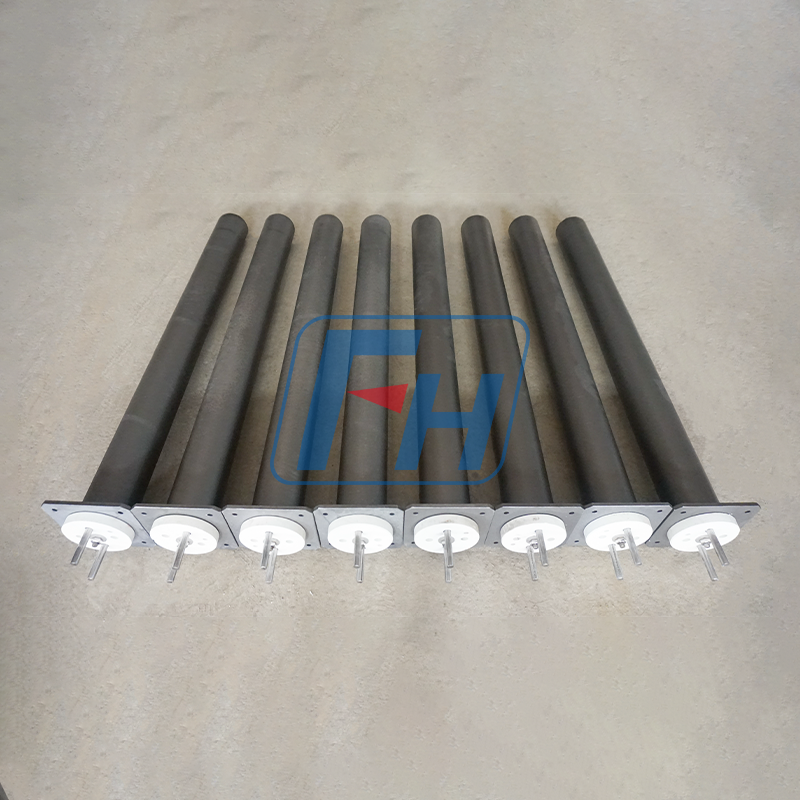
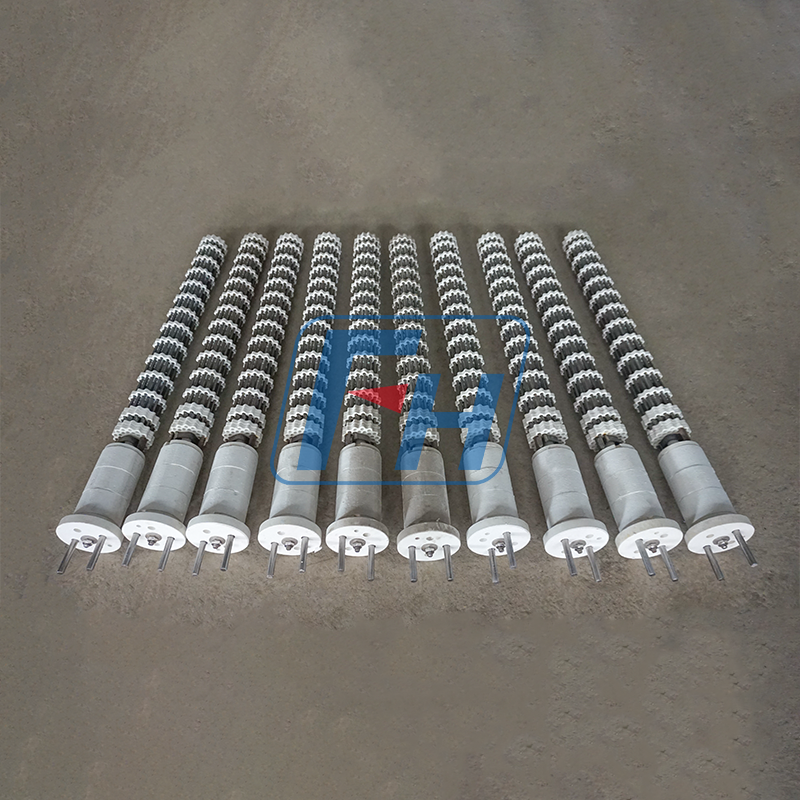
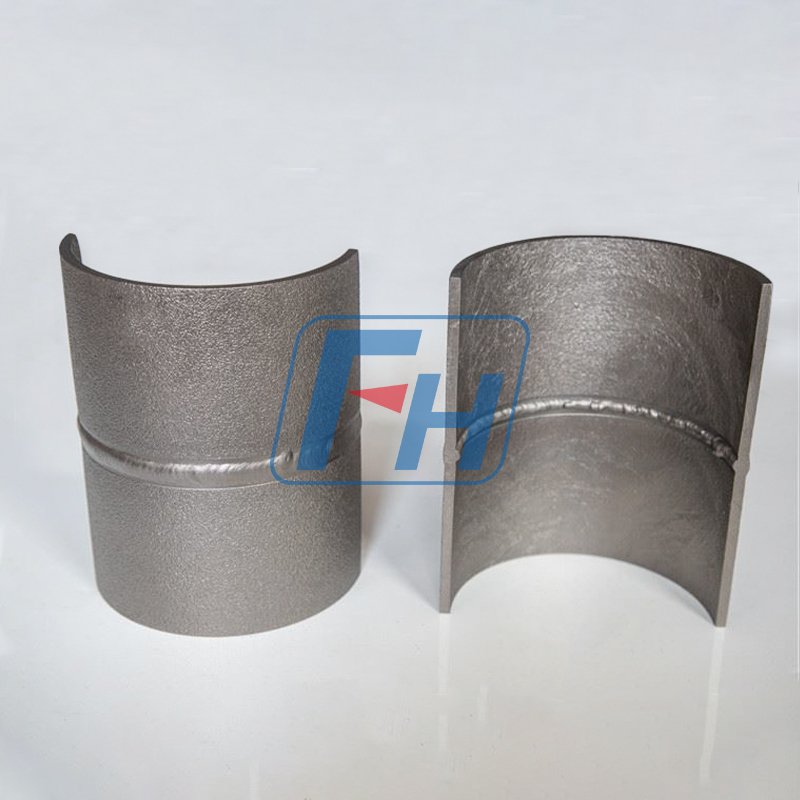
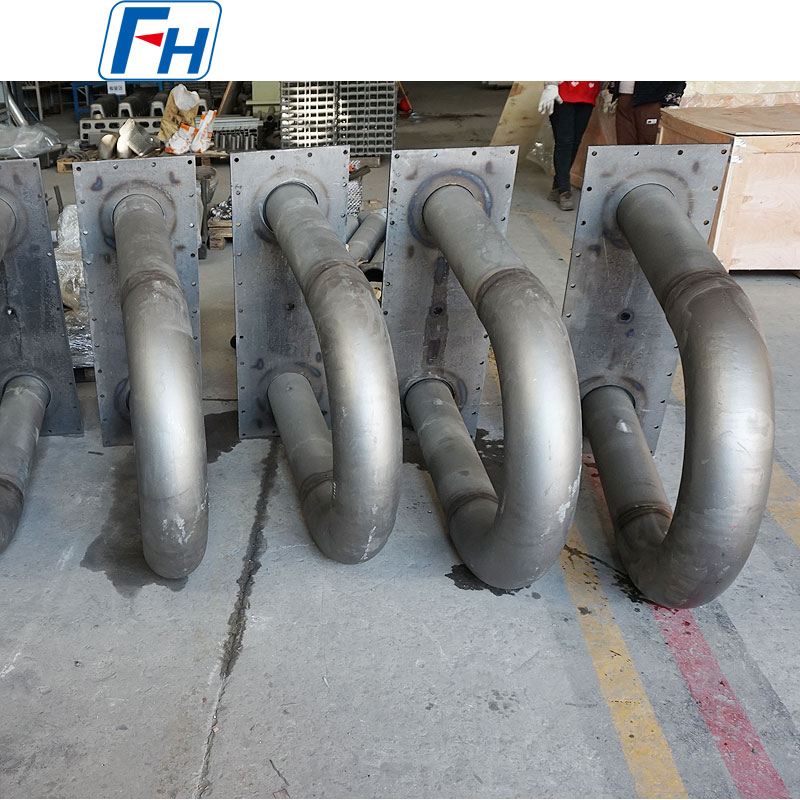
Tabung radiasi digunakan di berbagai jenis tungku, mulai dari tungku karburasi, tungku kontinyu hingga tungku industri.
Sebagai pemimpin dalam pembuatan coran sentrifugal di Cina, kami dapat memproduksi tabung pancaran tungku setipis 4.76mm tanpa ada kebocoran.
Dan kami memproduksi tabung pengecoran sentrifugal dengan diameter mulai dari 50 mm hingga 1000 mm dan panjang hingga 5,5 meter.
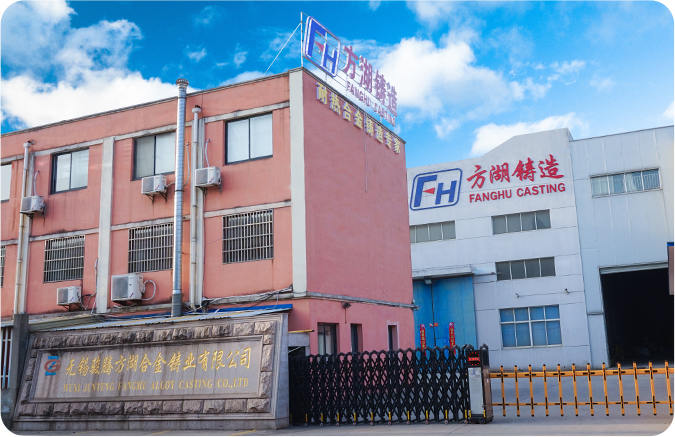
FH bangga menjadi pemimpin global yang terpercaya dalam teknologi pengecoran sentrifugal. Misi kami adalah menghadirkan tabung pancaran berkinerja tinggi, tahan lama, dan efisien yang menggerakkan perlakuan panas dan tungku industri di seluruh dunia.
**Apa yang Membedakan Kami?**
**Keahlian Pengecoran Sentrifugal**: Proses manufaktur kami yang canggih memastikan ketebalan dinding yang seragam dengan toleransi ketebalan dalam 0,2 mm, sifat mekanik yang unggul, dan ketahanan luar biasa terhadap tekanan termal.
**Solusi Khusus**: Kami menyesuaikan tabung pancaran kami termasuk dari ketebalan dinding hingga pemilihan material untuk memenuhi kebutuhan unik dari beragam aplikasi tungku.
**Komitmen terhadap Kualitas**: Setiap produk menjalani uji tekanan air sebelum dikirim. Bervariasi NDT dapat dilakukan sesuai kebutuhan Anda
Jika Anda berkecimpung dalam industri tungku perlakuan panas dan tungku industri atau mencari solusi tabung pancaran yang andal, kami akan senang mendengar pendapat Anda! Mari kita diskusikan bagaimana kami dapat mendukung operasi Anda dengan produk-produk mutakhir kami.

Merek: FH® Sertifikasi: ISO9001, ISO14001 Bahan: ...
Lihat Detail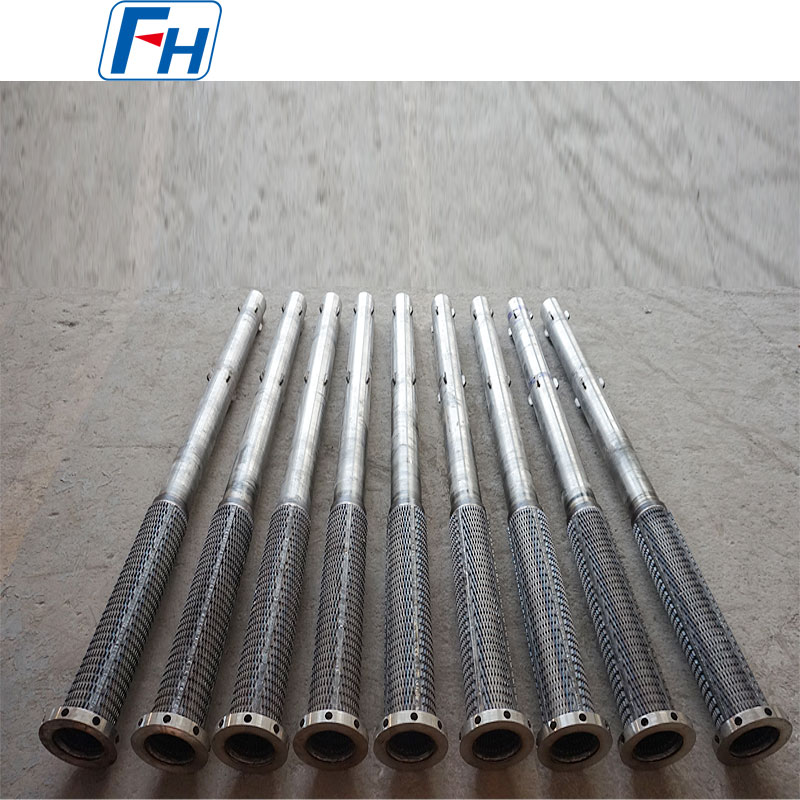
Merek: FH® Sertifikasi: ISO9001, ISO14001 Bahan: ...
Lihat Detail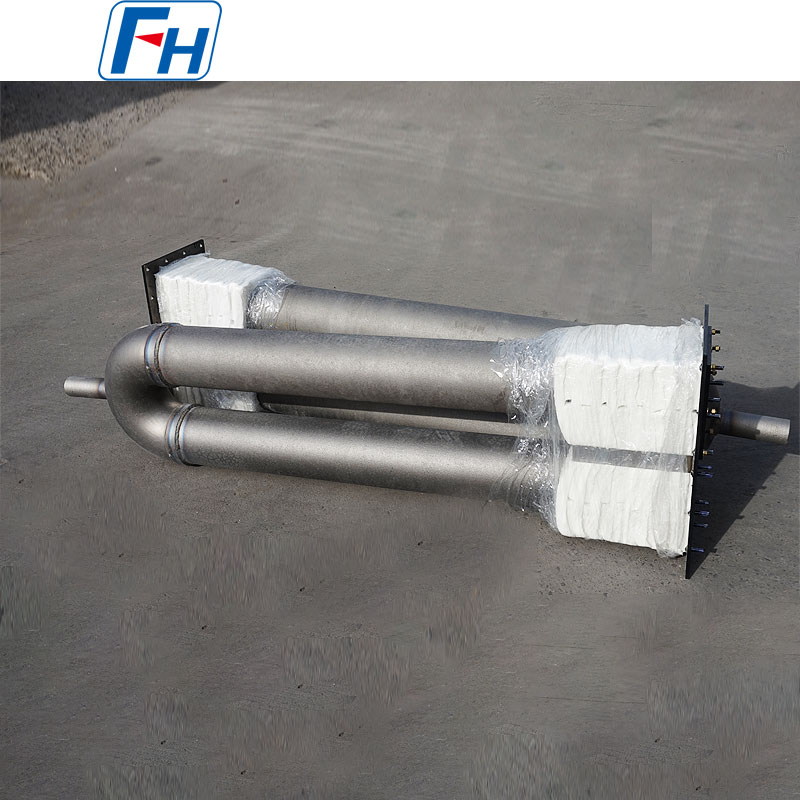
Merek: FH® Sertifikasi: ISO9001, ISO14001 Bahan: Ba...
Lihat Detail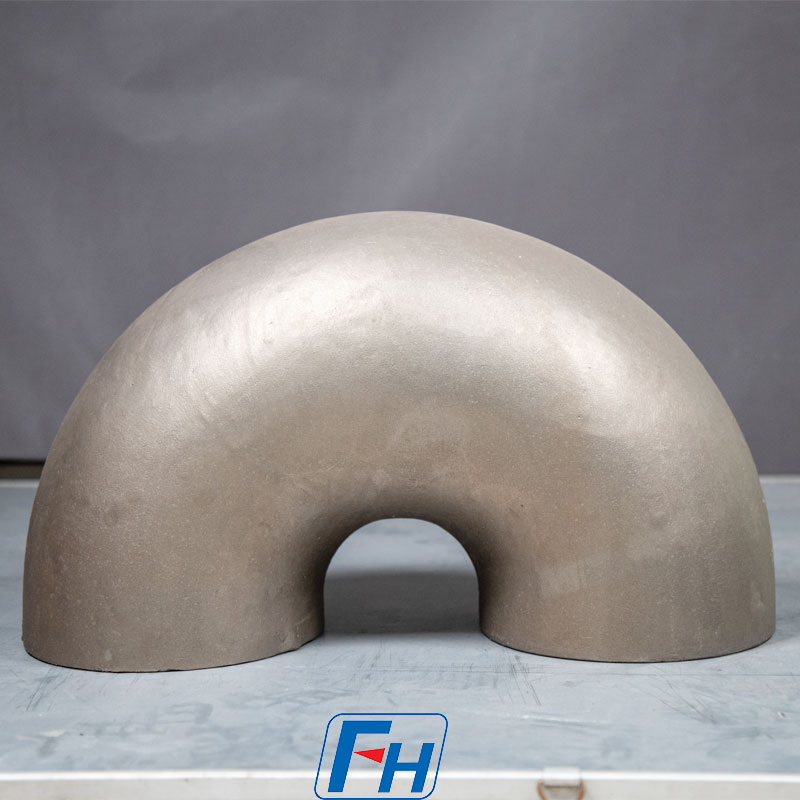
Merek: FH® Sertifikasi: ISO9001, ISO14001 Bahan: Ba...
Lihat Detail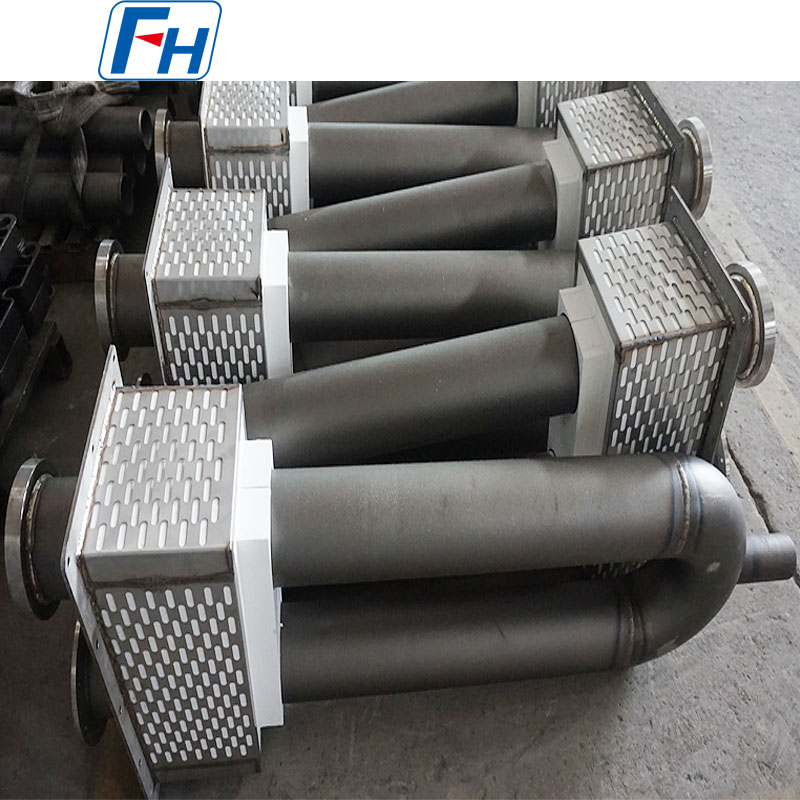
Merek: FH® Sertifikasi: ISO9001, ISO14001 Bahan: Ba...
Lihat Detail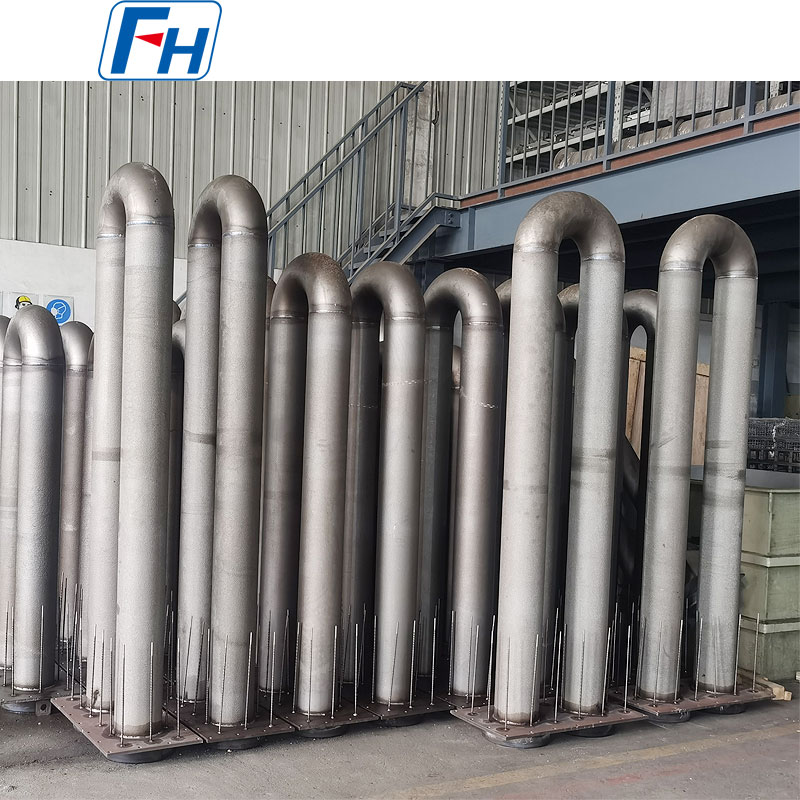
Merek: FH® Sertifikasi: ISO9001, ISO14001 Bahan: Ba...
Lihat Detail
Tahun Berdiri
Negara Ekspor
Kapasitas Produksi Bulanan
Karyawan
Keranjang Perlakuan Panas Cor Khusus dengan Baki Kisi dan Wire Mesh untuk Pelanggan Italia Studi Kasus Pelanggan | Wuxi Junteng Fanghu Alloy Technology Co., Ltd.(Padu...
BACA SELENGKAPNYASistem Perlengkapan Baki Kustom untuk Perlakuan Panas Roda Gigi Tungku Pendorong Berkelanjutan Studi Kasus Pelanggan | Desain Teknik, Persetujuan Gambar, Manufaktur &...
BACA SELENGKAPNYABaki Perawatan Panas Tungku Vakum 2.4879 Khusus untuk Pelanggan Slovenia Studi Kasus Pelanggan | Desain Ulang Struktural, Manufaktur & Pengiriman Lokasi P...
BACA SELENGKAPNYAStudi Kasus Pelanggan | Desain Teknik, Manufaktur, Inspeksi & Pengiriman Lokasi Pelanggan: Perancis Produk: Keranjang Perlakuan Panas Khusus...
BACA SELENGKAPNYAUtilizing a centrifugal casting process, Radiant Tubes for Industrial Furnaces | FH® boast uniform wall thickness (thickness tolerance ≤0.2mm), maintaining structural integrity in operating environments of 800-1200°C and
significantly reducing the risk of cracking caused by thermal stress.
The thin-wall design (down to 4.76mm) significantly increases the heat radiation area, improving heat transfer efficiency, enabling rapid furnace temperature increase and stable temperature maintenance, and reducing energy consumption.
The dense microstructure achieved through centrifugal casting provides the tubes with excellent tensile and compressive strength, enabling them to withstand long-term high-temperature cycles without deformation.
Depending on the furnace type (carburizing furnace, continuous furnace, industrial furnace), wall thickness, material (alloy steel, corrosion-resistant stainless steel), and tube diameter can be flexibly adjusted to meet specific customer
process requirements. Keywords: Radiant Tubes for Industrial Furnaces | FH®, Wuxi Junteng Fanghu Alloy Technology Co., Ltd.
Symptoms: Small cracks or obvious fractures appear on the tube wall, accompanied by abnormally high local temperatures.
Troubleshooting: Use magnetic particle inspection or ultrasonic testing to locate cracks; check for uniform cooling water pressure and eliminate thermal stress caused by local overheating.
Symptoms: Leakage of the medium (such as heating oil or nitrogen) within the tube, resulting in oil stains or gas leaking sounds.
Troubleshooting: First, perform a water pressure test (all our products undergo this test before shipment) to confirm any leaks; then use helium penetrant testing to locate minor leaks.
Symptoms: Prolonged furnace heating time, increased energy consumption, and uneven surface temperature. Troubleshooting: Check the tube wall for scaling caused by corrosion or deposits, which could obstruct the radiating
surface. Use an infrared thermal imager to quickly locate areas of abnormal temperature. Dismantle the tube interior for inspection and cleaning or replacement if necessary.
Step 1: Visually inspect the exterior and note any abnormalities.
Step 2: Perform a water or air pressure test to confirm leaks.
Step 3: Use NDT (magnetic particle or ultrasonic) to locate cracks or defects.
Step 4: Use an infrared thermal imager or temperature sensor to assess the heat distribution and determine if there are any thermal efficiency issues.
Through this systematic troubleshooting, problems can be located and repairs or replacements implemented as quickly as possible, minimizing downtime losses.
Tube diameters range from 50mm to 1000mm.
Suitable for a full range of heat treatment equipment, from small laboratory furnaces to large industrial furnaces.
Available in lengths up to 5.5m.
The long tube design facilitates one-time installation, reduces on-site splicing, and improves overall sealing and reliability.
Wall thickness range: 4.76mm – 30mm (customizable upon request).
Thin-wall products offer higher thermal radiation efficiency, while thicker-wall products provide stronger mechanical support.
High-temperature alloy steels (such as 1.2367 and 1.2369)
Stainless steel (304 and 316L)
Special corrosion-resistant alloys (for the chemical and petroleum industries)
U-shaped, W-shaped, and round tube cross-sections are available.
Surface treatments include sandblasting, polishing, and coating (high-temperature ceramic).
Inspection Services: Pre-shipment hydrostatic testing, magnetic particle inspection, and ultrasonic testing are available to meet diverse customer quality requirements.
Fokus pada Desain dan Manufaktur Bagian Baja Paduan Sejak 2006
 Tel: 0510-83310100
  Email: info@alloy-casting.com
  Alamat: Room 1105,Building 6, Jiaye Wealth Center,Wuxi, Jiangsu, P.R.China P.C.:214000.
  Privasi